




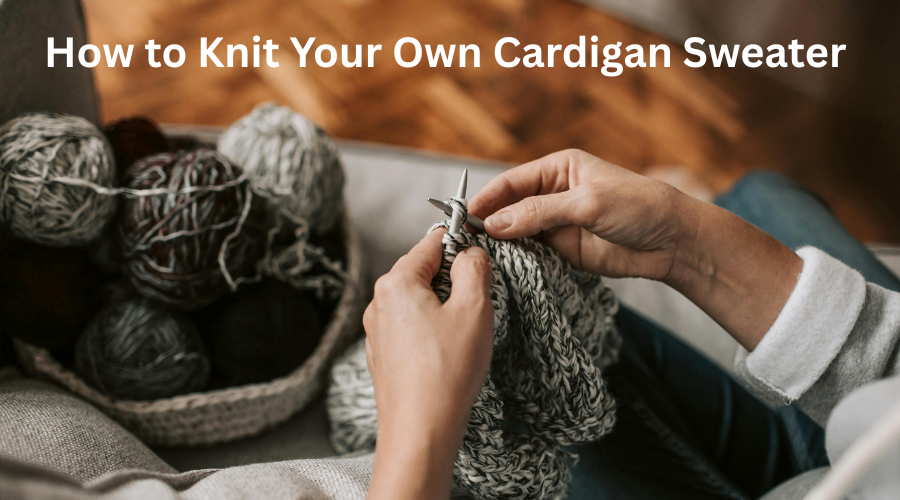
Knitting a cardigan sweater is a satisfying project, and it makes a unique clothing to the perfect fit. Although this process is time-consuming, even casual knitters can make lovely cardigans out of their limited knitting knowledge.
The project is manageable following a systematic approach and understanding of each step. This guide takes a step-by-step approach to selecting materials, finishing techniques, etc.
The patterns of cardigans are easy and complicated. Beginners should choose easy patterns or beginner-friendly patterns. They are usually plain stitched and shaped. Intermediate knitters can experiment with cables or colorwork. The excessive-degree styles involve elaborate combinations of stitches and complicated structures.
Patterns are in different styles like long, cropped, oversized, or fitted. Set-in sleeves are not as easy as drop-shoulder designs. Open-front cardigans are less precise compared to button-fronts. Select a fashion that suits your ability and dressing requirements.
Patterns provide the yarn weight, the needle size to use, and the anticipated gauge. They contain measurements of various sizes. Pattern symbols and abbreviations should be understood. The majority of the patterns offer a glossary of their notation system.
Any cardigan design specifies the proper weight of the yarn. Worsted-weight yarn can be used in most cardigan projects and knitted relatively fast. Large yards are used to produce warm-weight cardigans quickly. Fine yarns can create delicate garments but take longer to make.
Wool does not need much washing, but it is warm and elastic. Cotton designs cardigans that are cool to wear and can maintain their shape. Acrylic is easy to preserve and inexpensive. Blends have the benefits of numerous fibers. Select via any choice of appropriate traits and care choices.
Patterns indicate the total yardage required for each size. Buy a little more yarn than shown to account for changes in tension and errors. Purchasing additional dye from the same lot will ensure uniformity in the project.
Straight needles are used for flat pieces, whereas circular needles are more convenient for larger sections. The arrangement defines the required needle sizes. With several sizes, you can obtain the appropriate gauge. The needle material influences both knitting comfort and speed.
Use of stitch markers as a guide for sections of the pattern and figure. A measuring tape roll can be used to ensure the correct dimensions. Scissors and a yarn needle finish end seaming and weaving in ends. Progress is monitored by repeating the pattern with row counters.
A gauge defines the size of a piece of clothing. Even minor inaccuracies of the gauge generate dramatically new dimensions. Fit issues can be prevented by having a test swatch knitted up in advance. Swatching takes time, which eliminates frustration.
Knitted, dealing with the stitches of the pattern given. Cut a square at least four inches in diameter. Measure the rows and stitches in the marked area. Measure against pattern specifications.
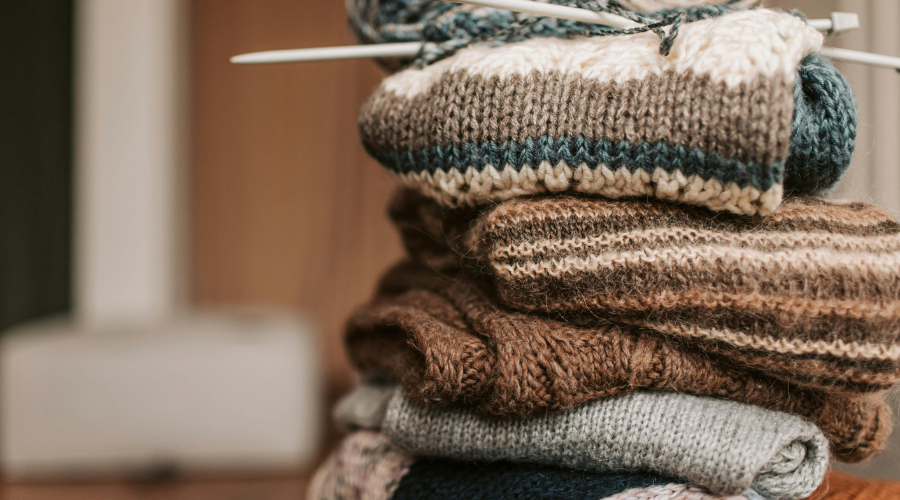
Numerous cardigans begin at the hem and pull upwards. The two fronts and the back are knitted apart and attached. Sleeves are fitted on once the body is completed. Under this conventional approach, it can be tried on as it is being built.
Some patterns start at the neck and pull downwards. The sleeves and the body grow at the same time. This smooth finishing process eliminates much of the finishing. Nevertheless, the fit adjustment is more difficult beyond some points.
Certain cardigans feature parts knitted in different directions that are later put together. This method is appropriate for geometrical patterns. Its freedom to construct creatively must be carefully planned.
Cast on in the pattern way that the pattern suggests. The cast-on side must be stretchy with the piece of clothing. Manually count stitches, taking care of the right amount. Label the starting and the ending stitches.
Adhere to the written or charted pattern. Stitch markers are used to divide sections of a pattern. Paying regular visits to the bank. It is better to fix an error at any given moment compared to later.
Shaping occurs as increases and decreases at certain points. The pattern shows the time and place to make these changes. Indicate these rows so that they are not accidentally shaped. Constant shaping method forms smooth edges.
Front panels are the side-by-side reflections, but it is necessary to shape the differences. Left and right fronts can also vary in the positions of the button holes. Follow instructions strictly, observing symmetry where needed.
Pattern instructions are important to use specific techniques on buttonholes. Wholesome techniques are holes bounded by yarns or by disappoints. Experiment with the technique on a swatch. Space button holes are spaced evenly.
Front necklines must be closely laid out to form the cardigan hole. The curve is created as the short rows or binding-off stitches are worked gradually. Be sure to take time on this visible area to ensure smooth lines.
Knitting a cardigan sweater requires working with the correct patterns and materials, building gauge swatches, and learning how to construct it. It takes immense pleasure to wear a self-knitted cardigan that nothing can buy.
How long does it take to knit a cardigan sweater?
A simple cardigan typically takes 40 to 80 hours, depending on size, yarn weight, and knitting speed. Expect several weeks to a few months, working a few hours daily.
What is the best yarn for a first cardigan project?
Worsted-weight acrylic or wool-blend yarn works best for beginners, as it knits up at a manageable pace, is affordable, easy to care for, and forgiving of tension inconsistencies.
Do I need to know advanced knitting techniques to make a cardigan?
No, beginners who can knit, purl, cast on, bind off, and do basic increases and decreases can complete simple cardigan patterns.
How much yarn do I need for an adult cardigan?
Most adult cardigans require 1,200 to 2,000 yards of worsted-weight yarn, depending on size and length. Always check your specific pattern and buy extra from the same dye lot.
Can I adjust a cardigan pattern to fit me better?
Yes, you can adjust length, sleeve measurements, and sometimes width by adding or subtracting stitches and rows, though more complex fit adjustments may require pattern modification experience.
Are cardigans still in style in 2026? Is a cardi
READ FULLYou have a striped knit sweater in your head. It l
READ FULLWearing sweaters is not just about keeping the body warm, but to look beautiful. Everyone likes t
READ FULL